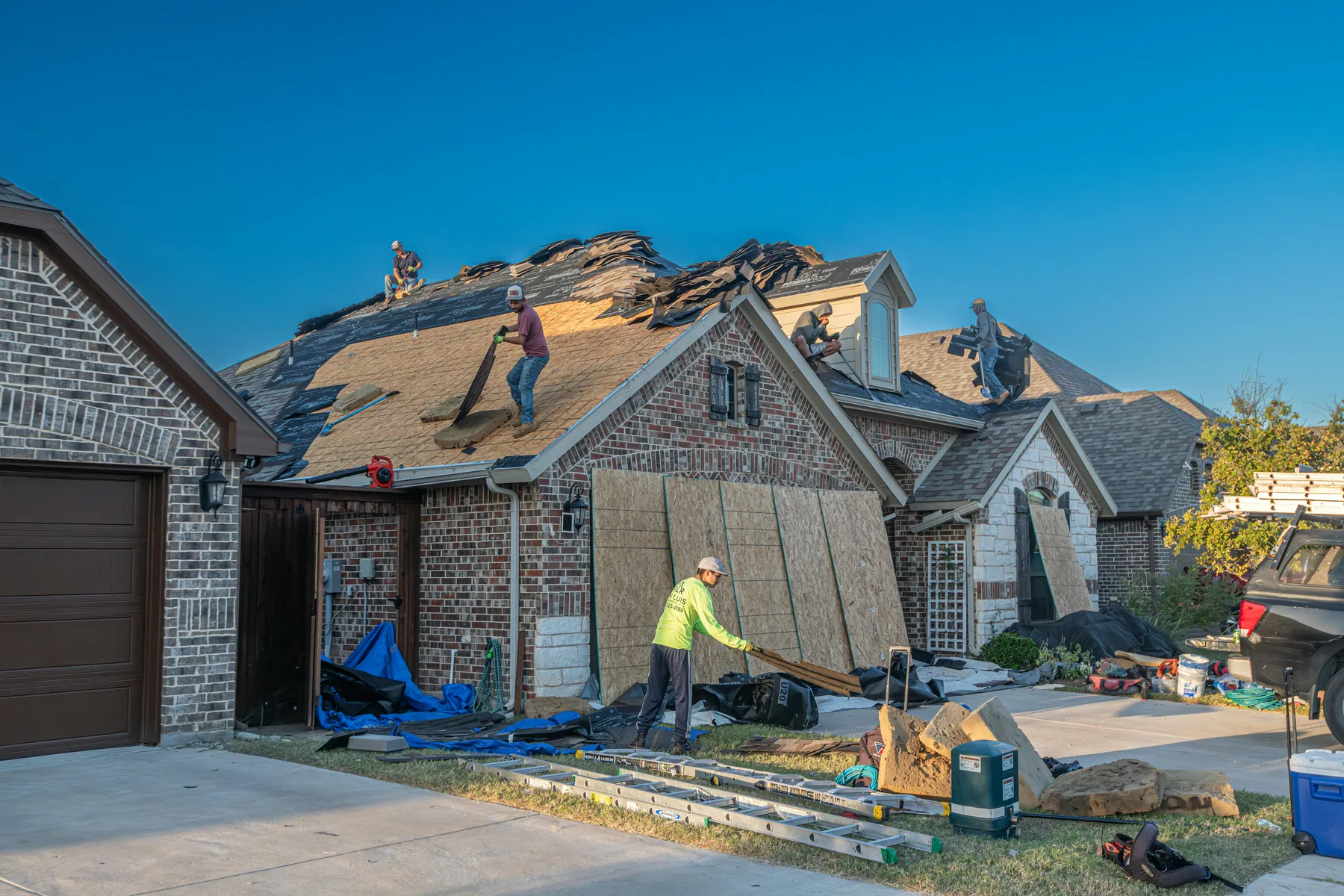
Decisions to make before scheduling
- Which signs suggest widespread storm damage rather than one isolated repair.
- What to document before cleanup, temporary protection, or an insurance conversation.
- How replacement planning changes when leaks or decking concerns are present.
Signs that need a closer look
Missing shingles, creased tabs, exposed fasteners, torn flashing, ceiling stains, and repeated leak paths can all suggest the roof system was stressed beyond a small repair. After a Gulf storm, the safest first step is a documented roof review before damage spreads into insulation, decking, or interior finishes.
Document before decisions
Photos, dates, visible leak locations, and notes about temporary protection help keep the project organized. A replacement conversation should separate urgent water control from the longer-term scope so homeowners understand what must happen now and what can be planned.
Why St. Petersburg roofs need context
Coastal wind, humidity, tree debris, and repeated storm cycles can reveal weak installation details. Replacement planning should address flashing, underlayment, ventilation, edge details, and cleanup, not only the visible missing shingles.