Most common starting point
The roof is aging
Use this path for older roofs, repeated repairs, material choices, budget questions, or replacement timing.
Read replacement basicsSt. Petersburg roof replacement
Tell us what changed: roof age, where the leak shows, when the storm hit, photos if you have them, and the best callback number. We use those details to decide whether the next step is leak protection, an inspection, or replacement pricing.
Choose the right first step
Roof details first, no pressure
If water is entering now, stay off the roof.
Move valuables if it is safe, catch dripping water, take photos from the ground, and send the urgent details. If there is an immediate safety risk, call emergency services first.
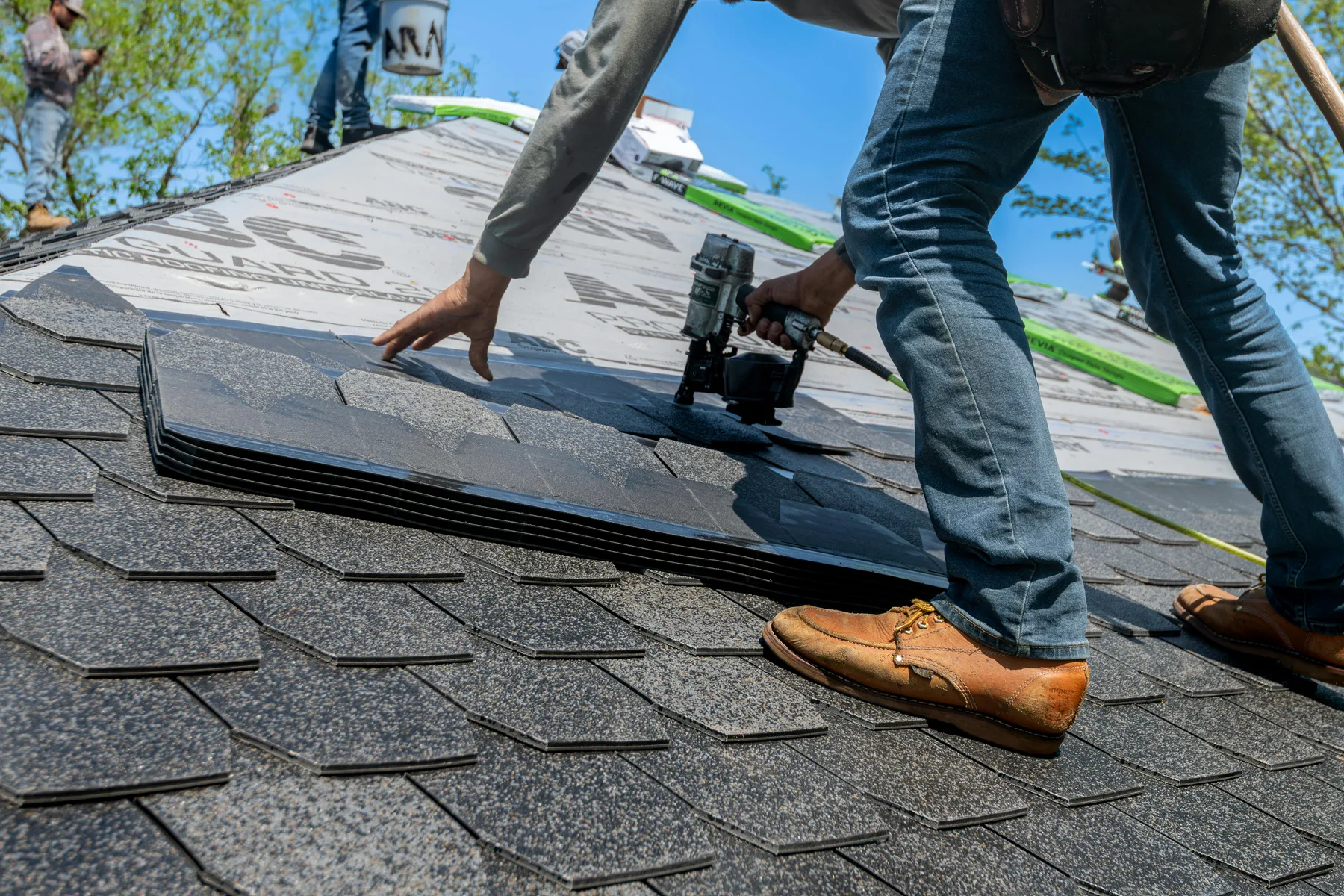
You do not need to diagnose the roof before contacting us. Pick the closest path, send what you know, and read more only if you want context first.
Most common starting point
Use this path for older roofs, repeated repairs, material choices, budget questions, or replacement timing.
Read replacement basicsSee what to send before the first conversation: roof age, leak details, photos, access notes, material questions, and timing.
Stay off the roof. Use this path for visible water, missing shingles, or damage after high wind. For immediate safety risks, call emergency services first.
See the main price drivers: roof size, slope, material, access, decking repairs, permits, and attic airflow.
Local roof reality
A useful roof visit connects what is happening at your house with the way Pinellas County roofs age: sun exposure, low-slope sections, storm wear, attic airflow, roof access, permits, and cleanup.
Heat, wind-driven rain, and fast storm changes shape the first roof review.
Permits, roof access, material delivery, and cleanup are planned before installation day.
Driveways, landscaping, attic airflow, and nail cleanup expectations belong in the written estimate.
Before you approve work, confirm license, insurance, warranty terms, permit responsibility, and the final contact details in writing.
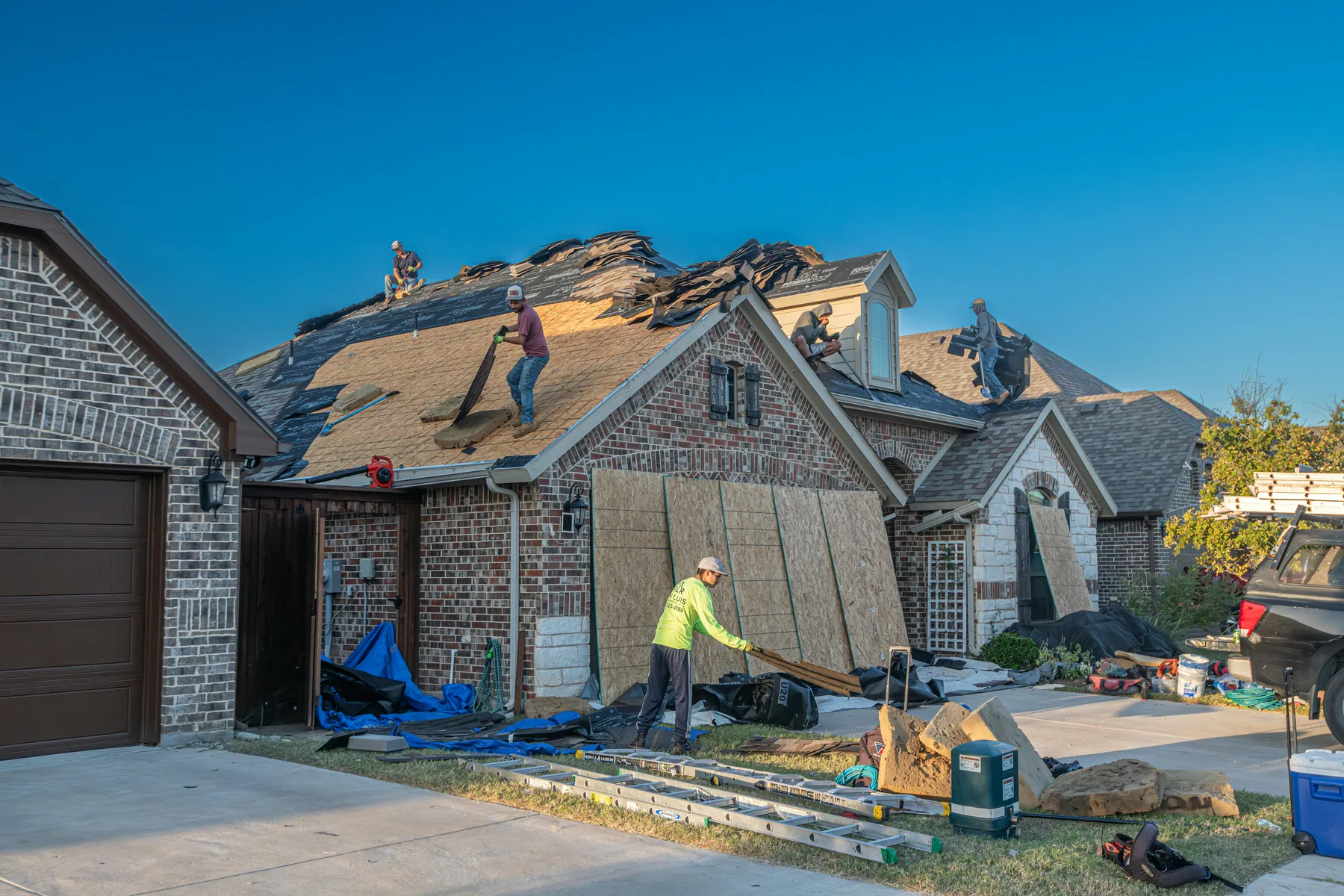
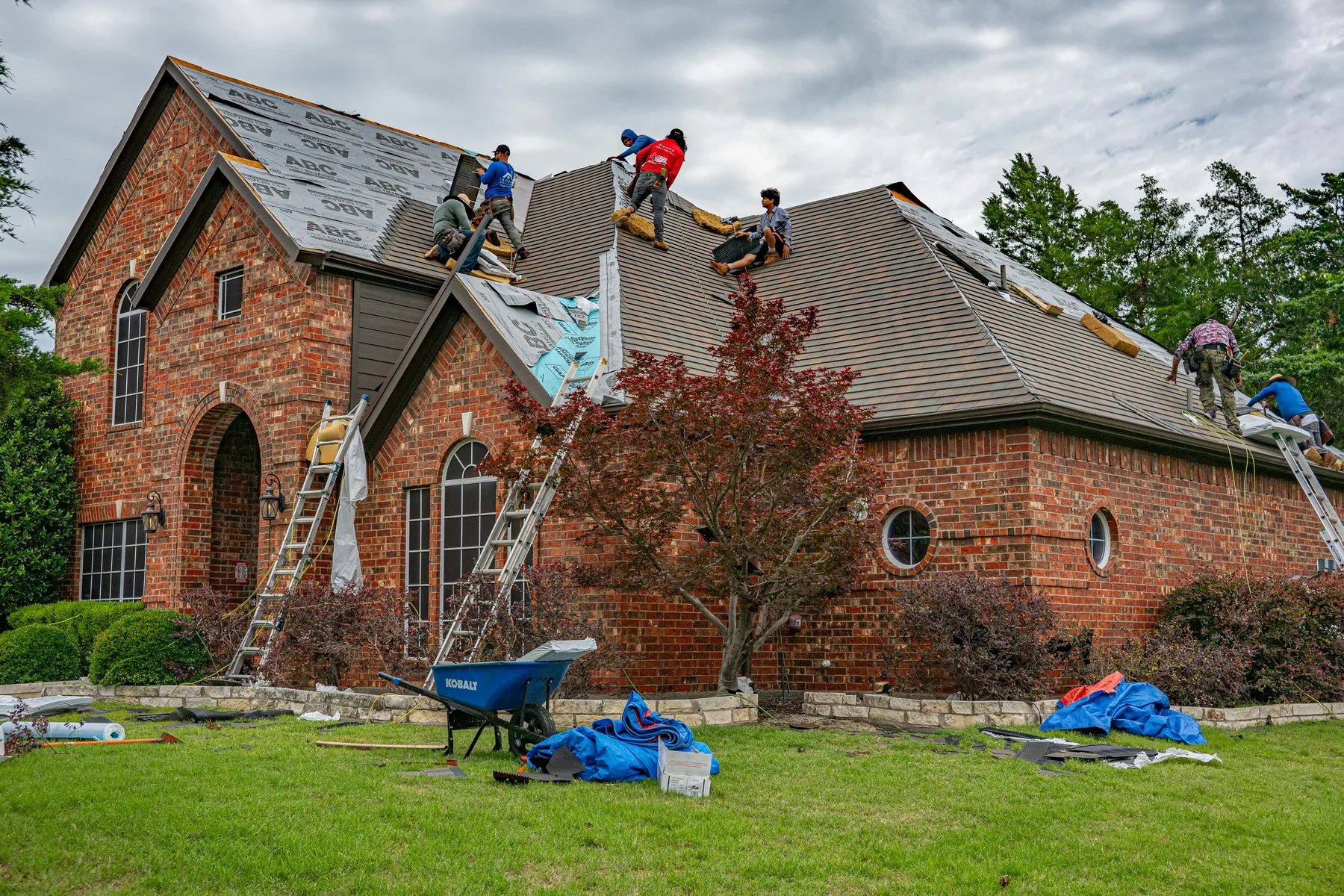
A good replacement plan moves in order: inspect the roof, write the estimate, choose materials, schedule around weather, protect the property, and review the finished work.
Before quote
Check roof age, leak history, missing shingles or panels, flashing, attic ventilation, and storm wear before choosing a replacement path.
Estimate review
Put removal, underlayment, flashing, decking repairs, ventilation, cleanup, and possible change items in writing.
Estimate review
Compare shingle, metal, or low-slope options against heat, wind exposure, curb appeal, roof pitch, and attic airflow.
Before install
Plan materials, permits, parking, roof access, weather timing, and how the household should prepare before installation day.
Closeout
Protect the property, manage debris, install the approved system, sweep for nails, and review the finished work list.
Send the roof age, where the leak shows, the storm date if there was one, photos if available, and the best callback number. We use those details to decide whether to start with leak protection, an inspection, or replacement pricing.